大會議程
Conference Program
本次研討會包括:開幕式、專題講座、綜合座談與論文發表。
時間:2026年4月22日 (三) 09:15 - 17:00
地點:中原大學 圖書館 B1 秀德廳 (桃園市中壢區中北路200號)
Keynote Speeches

陳其澎 教授
Water Matter
在全球氣候變遷加劇與極端水文事件日益頻繁的情境下,水資源已從單一的工程與管理議題,轉變為牽動城市韌性、生態永續與社會治理的關鍵挑戰。Water Matter 作為一項跨學科的研究與行動框架,主張重新思考水在當代文明與未來城市中的核心角色。
Amid intensifying global climate change and the increasing frequency of extreme hydrological events, water resources have shifted from being a purely technical and managerial issue to a critical challenge that shapes urban resilience, ecological sustainability, and social governance. Water Matter, as an interdisciplinary research and action framework, advocates rethinking the central role of water in contemporary civilization and future cities.

奧田孝次 建築師
Water, Place, and Healthy Neighborhoods:
Water-Sensitive Urban Design and Green Placemaking in the Post-Pandemic City
Insights from Ho Chi Minh City, Laos, and Mishima, Japan
This lecture explores the evolving relationship between water systems, placemaking, and the formation of healthy neighborhoods in the post-pandemic city. As urban environments increasingly confront climate uncertainty, environmental degradation, and public health challenges, water must be reconsidered—not merely as technical infrastructure, but as a cultural and ecological foundation for resilient living environments.
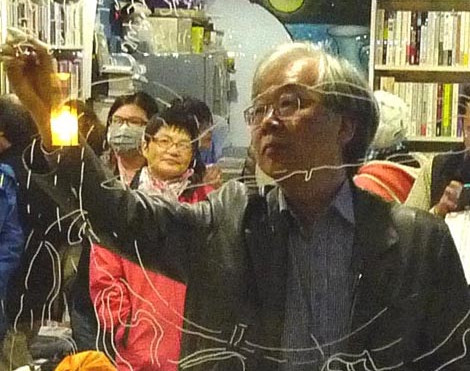
黃瑞茂 教授
火山邊的里山城市:
從公司田溪流域課程到淨零校園營造
淡水好生活計畫與在地夥伴關注北淡地區火山邊城市的城鄉發展與農業地景的轉變,展開學習之旅。一路是以家鄉守護文化抵抗為基,結合場域夥伴與中小學合作,邊走邊學習提出「流域課程」作為里山倡議的實踐,摸索著「社會-生態-生產」的連結編織技術。在接近SDGs的2030年的完成年,啟動「淨零校園」作為大學與中小學校園合作共促永續的積極作為。

顧雅文 副研究員
陂塘社會與水文化—以大溪三層地區為例
水文化的消失是全世界工業化、都市化過程中面臨的普遍現象。當我們不再用文化的角度看水,水只能成為被治理、被改造的對象,人與水的互動關係終將越來越遠。本次演講將以桃園大溪三層地區的陂塘為例,說明本地人與水之間長期相互作用而形成的陂塘社會與水文化。

張集強 副院長
Reframing Architectural Education through University Social Responsibility: From Studio Pedagogy to Community Impact
This lecture foregrounds the concept of University Social Responsibility (USR), examining how architectural education can move beyond academic simulation toward meaningful community engagement. It positions the design studio not merely as a pedagogical space, but as a collaborative platform linking students, professionals, NGOs, and local communities. Through live-build projects, workshops, and field immersion, students encounter real-world constraints, clients, and cultural contexts, cultivating adaptability, collective learning, and social awareness. Within the USR framework, architectural education becomes a vehicle for generating public value, transforming design from a formal exercise into an impactful social practice. The lecture ultimately argues that such an approach nurtures not only competent designers, but also responsible agents capable of shaping inclusive, responsive, and socially grounded environments.
論壇暨研討會議程

